Selecting the Ideal General Contractor: Tips for a Successful Home Renovation
Selecting the ideal home renovation professional is critical for a successful home renovation. Property owners often face challenges in recognizing skilled experts. Establishing renovation goals is the starting point. Subsequently, they must research various sources to find trustworthy contractors. Fundamental credentials and clear communication are important factors in the hiring process. As homeowners commence on this journey, grasping key elements can lead to sound decisions. What follows may define the whole renovation experience.
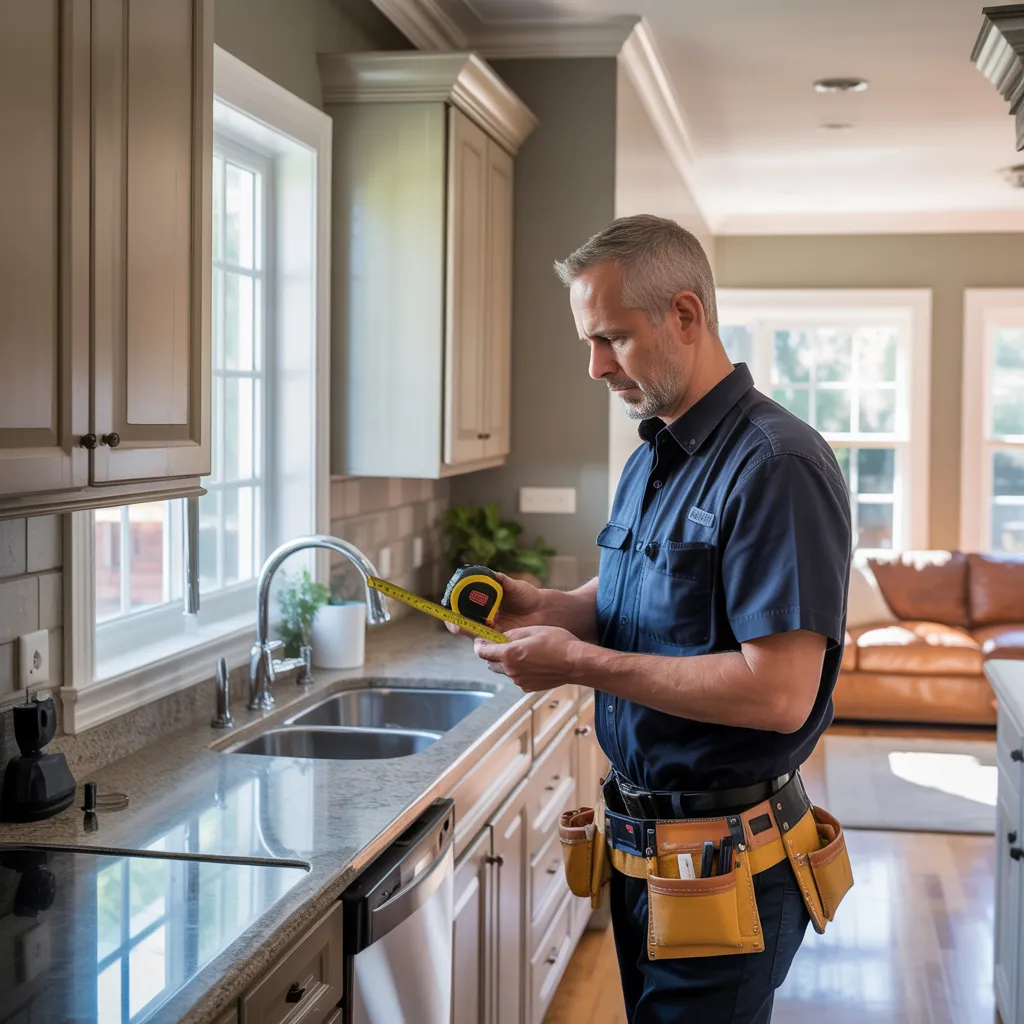
Begin by Clarifying Your Renovation Objectives
When beginning a renovation project, establishing clear objectives is essential for success. It enables homeowners to articulate their vision, identify and prioritize their needs, and allocate resources effectively. Objectives should include not only aesthetic preferences but also operational needs, budget constraints, and project timelines. By defining precise goals, such as increasing living space or boosting overall energy efficiency, homeowners can build a structured plan that steers the complete renovation journey.
Additionally, involving all involved parties from the start of the planning phase guarantees that all expectations are in agreement. This collaborative approach limits miscommunication and cultivates a feeling of collective direction. When all is considered, clearly established renovation objectives work as a structured guide, allowing homeowners to arrive at educated conclusions and review possible contractors more thoroughly. By building a firm base using precise objectives, the chance of a triumphant renovation improves markedly, leading to a satisfying transformation of the living space.
How to Find Trustworthy Contractors
When searching for trustworthy contractors, many tend to consult web-based directories and platforms that showcase feedback and ratings. Furthermore, personal recommendations and referrals from acquaintances or family members provide valuable insights into a contractor's work quality and dependability. Using these resources together can lead to an informed decision-making process.
Online Directories and Services
Steering through the expansive world of online directories and platforms can greatly ease the search for reliable general contractors. Platforms like Angie's List, HomeAdvisor, and Thumbtack enable homeowners to review profiles, examine testimonials, and evaluate scores of various contractors. These platforms regularly provide verified reviews, providing insights into a contractor's trustworthiness and service quality. Users can narrow results based on individual criteria, such as project type and budget. Moreover, many directories provide detailed information about each contractor's credentials, including certification and insurance information. By utilizing these resources, homeowners can streamline their search process, connecting with a broader range of potential candidates while guaranteeing well-considered choices when hiring a general contractor for their remodeling initiatives.
Local Recommendations and Referrals
How can homeowners find trustworthy general contractors in their local area? One practical strategy is to gather recommendations and referrals from the local community. Neighbors, friends, and family who have recently gone through home renovations can share meaningful feedback about their contractor experiences. Additionally, local community boards, social media groups, and neighborhood apps often feature discussions and endorsements for reliable professionals. Homeowners should also consider visiting local hardware stores or trade supply centers, where employees may recommend contractors familiar with the area. Visiting home improvement events provides a valuable chance to engage with contractors directly and learn more about their services. By leveraging these local networks, homeowners can enhance their chances of finding a qualified general contractor for their renovation projects.
Key Qualifications to Confirm in a General Contractor
A competent general contractor needs to demonstrate various critical credentials that reinforce confidence in their expertise. Above all else, a valid license is critical; it ensures adherence to local codes and requirements. In addition, proof of insurance, including liability and worker's compensation, protects both the contractor and the homeowner from unforeseen incidents during the renovation process.
Additionally, a contractor should provide references from past clients, displaying their history of successful work. Certifications from established industry bodies can also indicate advanced skills or professional development in certain fields of construction.
Additionally, it is crucial to confirm that the contractor has a favorable standing with the Better Business Bureau, demonstrating their standing within the community. By confirming these credentials, homeowners and property owners can greatly lower the risks related to hiring a contractor, creating the foundation for a smoother and more effective renovation experience.
Evaluating Contractor Estimates: Key Factors
When assessing contractor bids, multiple important aspects warrant careful review. Examining project scope information confirms that all aspects of the job are covered, while assessing material quality projections can reveal potential long-term costs. Additionally, a comprehensive review of schedule projections aids in establishing practical benchmarks for completing the project.
Evaluate Project Scope Particulars
What key factors should one examine when evaluating project scope information in contractor proposals? To begin, precision in the scope outline is vital; every contractor must supply a thorough breakdown of work to be completed. Additionally, timelines must be clearly defined, including start and completion dates, as well as milestones. One must also examine labor expenses and the size of the crew allocated to the project, because this influences the project's general effectiveness. Beyond that, one should evaluate how each contractor addresses potential changes or unforeseen issues within the project scope. Finally, having a clear grasp of payment agreements and stipulations can eliminate unwelcome financial surprises. By concentrating on these factors, property owners are better equipped to choose the most suitable contractor for their remodeling projects.
Analyze Material Quality Estimates
Assessing estimates for material quality is vital for homeowners looking to ensure the lasting quality and visual appeal of their renovation projects. When analyzing contractor estimates, it is vital to scrutinize the materials listed. High-quality materials may come with a higher upfront cost but can produce significant savings over time through lasting performance and minimal upkeep. Homeowners and buyers should ask about the manufacturers and sources of the materials used, as well as warranties provided. Additionally, it's necessary to recognize the implications of using inferior materials, which might negatively affect the overall outcome of the remodeling project. By diligently assessing these estimates, renovation planners can reach well-informed decisions that suit their budget and long-term goals.
Carefully Examine Timeline Proposals
A careful examination of timeline proposals is essential for homeowners looking to comprehend the range and structure of their home renovation projects. Evaluating these timelines helps uncover possible obstacles and guarantees that the contractor's vision matches the homeowner's objectives. Homeowners should examine the recommended beginning and end dates, as well as significant milestones throughout the project. It is also essential to consider any allowances for unanticipated disruptions, which can influence the total project duration. Clear communication about these aspects can avoid confusion down the line. Additionally, homeowners should review proposals from various contractors to assess practicality and viability. A well-structured timeline not only enhances project management but also fosters trust between the homeowner and the contractor, establishing a strong basis for cooperation.
The Value of Communication With Your General Contractor
Clear communication with a general contractor is crucial, as it establishes the groundwork for a successful project. Clear dialogue guarantees that both parties understand project goals, timelines, and expectations. Consistent updates and accessible channels for questions can prevent misunderstandings, minimizing the risk of costly errors.
Moreover, open communication nurtures a team-oriented dynamic, enabling homeowners to voice their needs and concerns. This transparency can lead to innovative solutions that correspond with the homeowner's expectations while respecting budgetary limitations.
Developing a plan for communication from the beginning, covering preferred communication methods and update frequency, can enhance the working relationship. All parties involved should feel comfortable addressing any challenges and adjustments that may arise. In the end, strong communication not only enables smoother project execution but also establishes trust, which is important for maneuvering the challenges of home renovation projects.
How to Check References and Past Projects
How do homeowners make certain they hire a dependable general contractor? A crucial useful resource step is verifying references and examining past projects. Homeowners ought to ask for a roster of past clients and make an effort to reach out to them. Inquiries should focus on the contractor's reliability, quality of work, and adherence to timelines and budgets.
In addition, homeowners can request photographs or videos of finished work to examine the builder's skill and artistry. Touring ongoing work sites gives deeper understanding of the service provider's professionalism and organization.
Web-based reviews and ratings on platforms like Google and Yelp can also supply useful information. Property owners should be wary of contractors with consistently negative feedback or insufficient openness. By comprehensively reviewing references and past projects, homeowners can make informed decisions, decreasing the likelihood of hiring unqualified individuals and ensuring their renovation goals are met effectively.
Critical Questions to Ask Prior to Signing a Contract
False assumptions can lead to significant missteps in home remodeling projects. Before signing a contract with a general contractor, homeowners ought to raise key questions to establish clear expectations and alignment. To begin, ask about the contractor's background with comparable projects to gauge expertise. It's vital to understand the project timeline and any potential delays. Homeowners would also benefit from asking about payment terms and the factors that contribute to additional expenses.
Establishing the scope of work is crucial; clients must be aware of precisely what is part of the agreement. Property owners should request specifics about third-party workers and their expertise, as this can influence the overall quality. Furthermore, understanding the warranty on completed work can prevent future issues.
Lastly, home buyers should confirm the service provider's insurance and licensing to guard against potential risks. Such essential inquiries will enable educated choices, promoting a more streamlined remodeling experience.
Questions Our Clients Often Ask
What Is the Typical Duration of a Home Renovation Project?
An average home renovation can span a few weeks to several months, based on the project's overall scope, the complexity involved, and contractor and material availability, impacting the overall timeline considerably.
What Should I Do if My Contractor Goes Over Budget?
If a contractor exceeds the budget, the homeowner is advised to review the contract terms, discuss the reasons for the overage, and negotiate solutions. Thorough communication and proper documentation are key to effectively resolving financial discrepancies.
Can I Live in My Home During Renovations?
Absolutely, people can live in their home during remodeling projects, but it often depends on the extent of the project. Clear communication with the contractor and accounting for disturbances are crucial to reduce disruption and guarantee proper safety standards.
What Are My Options if My Contractor Doesn't Meet Deadlines?
When a contractor does not meet deadlines, it may result in setbacks in the project, rising expenses, and potential conflicts. Homeowners should review the contract terms and communicate concerns to seek a resolution or consider alternative actions.
How Can I Resolve Disputes With My Contractor?
To handle disputes with a contractor, individuals should keep a record of all communications, carefully review the contract terms, and participate in honest conversation. Should the issue remain unresolved, consulting a mediator or legal expert could be essential to achieve a mutually agreeable outcome.